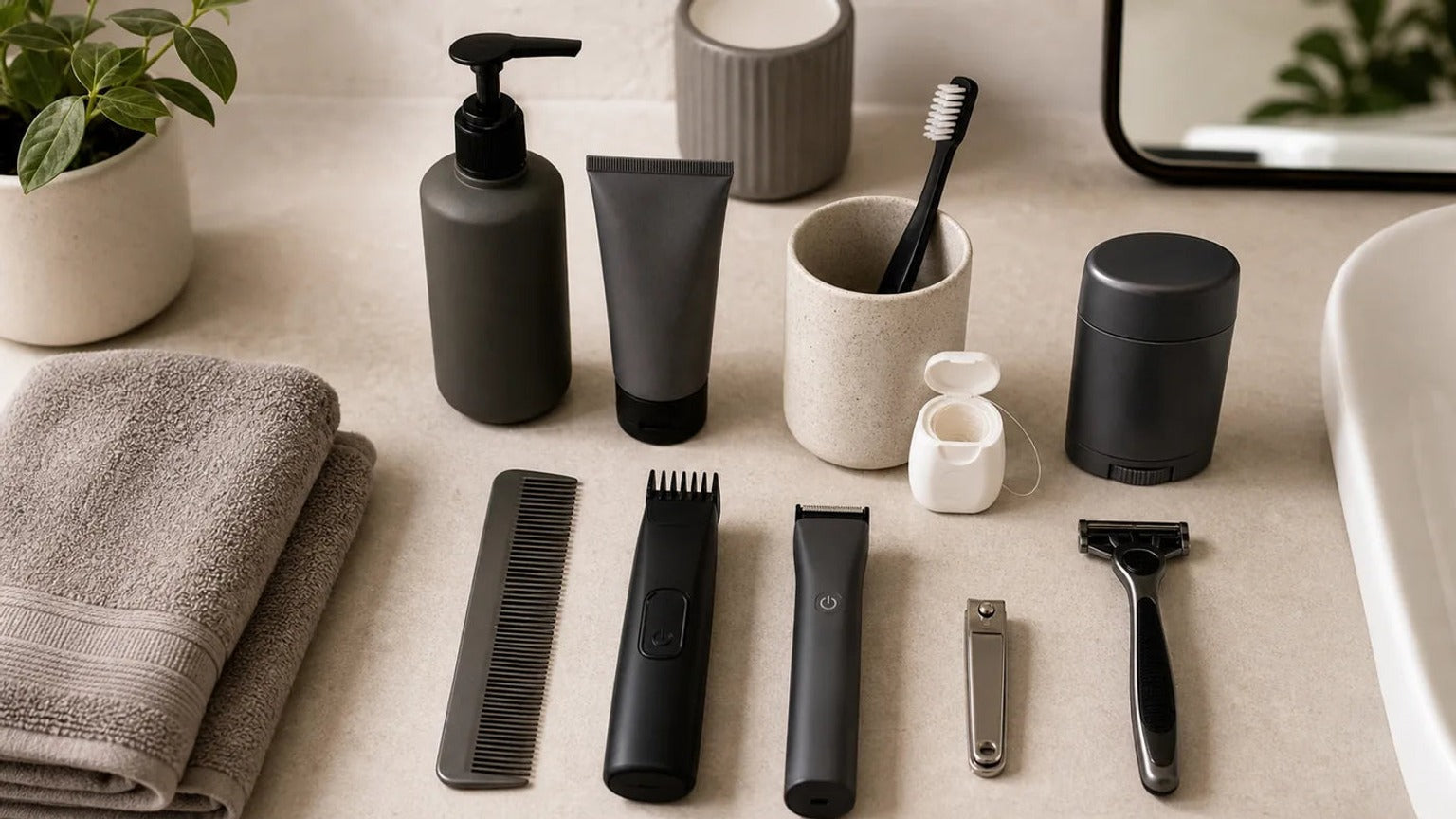
Choosing the right body grooming tool depends less on finding the “most advanced” option and more on understanding what task you need it to perform. Trimmers, groomers, shavers, and multi-function tools each serve different purposes. A trimmer is usually designed for controlling length, a shaver focuses on a closer finish, and a groomer often combines several functions for broader maintenance. The best choice comes from matching the tool type to your routine, preferred result, and the areas you plan to maintain.
Understanding the Main Types of Body Grooming Tools
Before choosing a tool, it helps to understand how different categories are generally used.
A trimmer is mainly designed for shortening hair while keeping some length. It can be useful when your goal is maintenance rather than removing hair completely. For example, someone who wants a consistent length may prefer a trimmer because it offers more control over the final result.
A groomer is usually a more flexible category that may combine trimming and other grooming functions. These tools are often considered when users want one device that can handle multiple areas instead of owning separate tools for every purpose.
A shaver is intended for a closer finish. It may be preferred when reducing visible hair or achieving a smoother appearance is the main goal. However, a closer finish often requires more attention to technique and skin sensitivity.
Combination tools attempt to cover several needs in one device. They can be convenient for people who value flexibility, although dedicated tools may sometimes provide better performance for a specific task.
The key question is not “Which tool is universally best?” but “Which tool fits the result I want?”
Choosing the Right Tool Based on Use Cases
Different grooming goals require different approaches. A useful way to decide is to start with the expected outcome.
When maintaining hair length is the priority
If you mainly want to keep hair neat and controlled, a trimmer is often the most suitable category to consider. Length settings and cutting control become more important than achieving a completely smooth result.
This type of tool may work well for regular maintenance because it allows gradual adjustments. Users who prefer a natural appearance often focus on consistency rather than maximum closeness.
When you want broader body maintenance
For people managing multiple grooming areas, a groomer or multi-function device may provide more convenience. Instead of switching between different tools, a versatile option can simplify a routine.
However, flexibility usually involves tradeoffs. A multi-purpose tool may not be optimized for every individual task, so users should consider which function they will actually use most often.
When a closer finish matters
A shaver may be considered when a smoother appearance is the main goal. The decision often depends on personal preference, comfort, and how frequently maintenance is needed.
A closer shave does not automatically mean a better result for everyone. Some users may prefer the control and simplicity of leaving a small amount of length rather than removing hair completely.
Important Tradeoffs Before Buying a Grooming Tool
Every grooming tool involves choices between convenience, control, and specialization.
Control vs. speed:
Tools designed for precision often require more attention during use. A device that provides multiple settings may take longer to adjust, but it can offer more control over different areas.
Versatility vs. specialization:
A single multi-purpose tool can reduce clutter and simplify storage. However, a specialized tool may perform a specific task more effectively because it is designed around one main purpose.
Close results vs. maintenance needs:
A closer finish may require more frequent upkeep depending on personal hair growth and grooming preferences. A length-based approach may be easier for users who prefer a simpler routine.
Convenience vs. technique:
Some tools are easier to use immediately, while others may require learning how to adjust pressure, direction, or settings. Understanding the tool’s role helps avoid unrealistic expectations.
When exploring different options, resources such as body grooming tools can help you understand available categories and discover which type of grooming solution matches your routine.
Common Mistakes When Choosing and Using Body Grooming Tools
Many grooming problems come from choosing a tool based only on appearance or marketing rather than actual needs.
Choosing based only on the closest result
A common mistake is assuming that the closest possible result is always the best option. In reality, the ideal result depends on comfort, maintenance habits, and personal preference.
A tool designed for very close grooming may not be necessary for someone who only wants regular trimming and control.
Ignoring the intended use area
Different body areas may require different levels of control. A tool that works well for one area may not provide the same experience elsewhere.
Before buying, consider where the tool will be used most often and whether the design matches that purpose.
Overlooking cleaning and maintenance
Grooming tools require regular care to maintain consistent performance. Cleaning routines, storage conditions, and proper handling can affect how long a tool remains reliable.
A convenient tool that is easy to maintain may be a better long-term choice than one with many features that are difficult to manage.
Expecting one tool to solve every grooming need
Multi-function tools can be practical, but no single device is necessarily perfect for every situation. Understanding the limitations of a tool helps create realistic expectations.
The goal is to find a tool that fits your main routine rather than collecting features you may never use.
A Practical Checklist Before Selecting a Body Grooming Tool
Use this checklist to compare options before making a decision:
-
Identify your main goal: trimming, maintaining length, achieving a closer finish, or managing multiple areas.
-
Decide whether versatility or specialization matters more for your routine.
-
Consider how much control you want over length and results.
-
Think about cleaning, storage, and regular maintenance requirements.
-
Check whether the tool matches the areas where you plan to use it.
-
Consider whether you prefer a simple routine or a more adjustable grooming process.
This approach helps you evaluate tools based on real usage rather than choosing based only on features.
Final Thoughts: Match the Tool to the Task
Body grooming tools are most useful when their design matches your specific needs. Trimmers are generally focused on length control, groomers offer broader flexibility, and shavers are aimed at closer finishing. Combination tools can provide convenience, but understanding their limitations is equally important.
A good choice starts with a simple question: what result do you want, and how much control do you need to achieve it? Once you understand your grooming habits and priorities, selecting the right tool becomes a much clearer process.